About UHEP
and the Team
About the Project
The Upper Hunter Energy Park (UHEP; formerly known as Kyoto Energy Park) is focussed on the development of a wind farm in the Hunter Valley of NSW, Australia, approximately 12 km from the town of Scone.
The Project Site is located on Mountain Station, a private landholding situated along Bunnan Road in Owens Gap. The Project is strategically located to make use of over 10 years of climatic data indicating the site’s suitability for wind farm development.
The Project was granted Project approval in early 2010 by the NSW Government and has been working towards meeting the Conditions of Approval since then, reaching the end of the development stage and progressing into construction.
The Upper Hunter Energy Park will consist of 18 wind turbines, one 66/33kV Site Substation, approximately 13km of 66kV overhead line connecting the site to an existing substation near Scone, 21km of 33kV underground cabling connecting Wind Turbine Generators to the Site Substation, internal access tracks and hardstands, as well as an operation and maintenance facility.
The goal of the Upper Hunter Energy Park has always been the generation of electricity from renewable, clean, and sustainable sources. Making a valuable contribution to the future of electricity generation as a model for sustainable development lies at the heart of the Project. This Project will establish the Scone community as a leader in the renewable energy transition.
The development of the Upper Hunter Energy Park is hoped to have flow-on benefits to communities by providing long-term electricity from renewable sources, which brings sustainable economic, health, environmental, and social outcomes, including:

Generation Capacity
75.6MW total generation capacity of renewable energy

Houses Powered

Emission Offset
Reducing CO² emission by 135,000 tons of CO² annually

Jobs

Status

Location

Turbines

Blade Tip Height
150m
The Upper Hunter Energy Park project, furthermore, foresees an enhancement of the golf experience by removing and relocating the existing 11kV line to connect with the planned 66kV line. This improvement will eliminate disruptions, providing a serene environment for golfers to enjoy their game.
Project Area Map

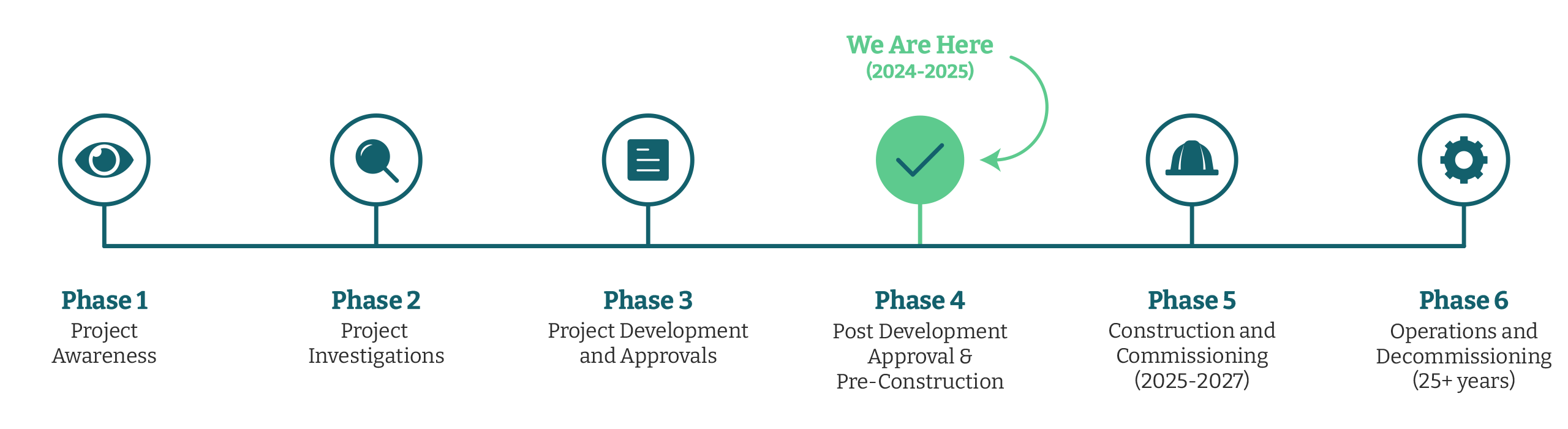
Project Timeline
The Upper Hunter Energy Park will include the following development phases during the life of the Project:
About Us

Get Involved
The Project is expected to be operational for 25+ years. This long-term commitment ensures we continue to create employment opportunities during the operating and maintenance stages of the Project.